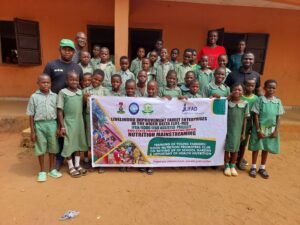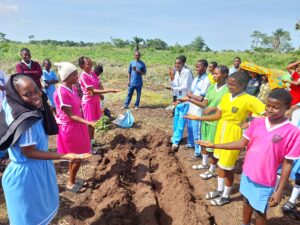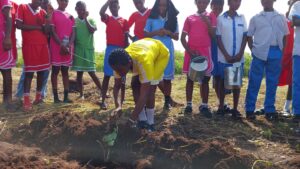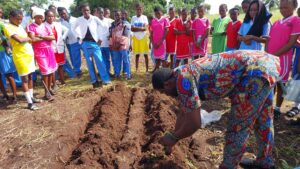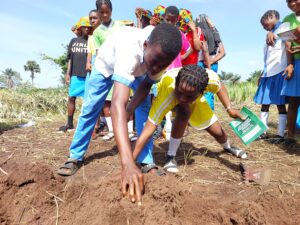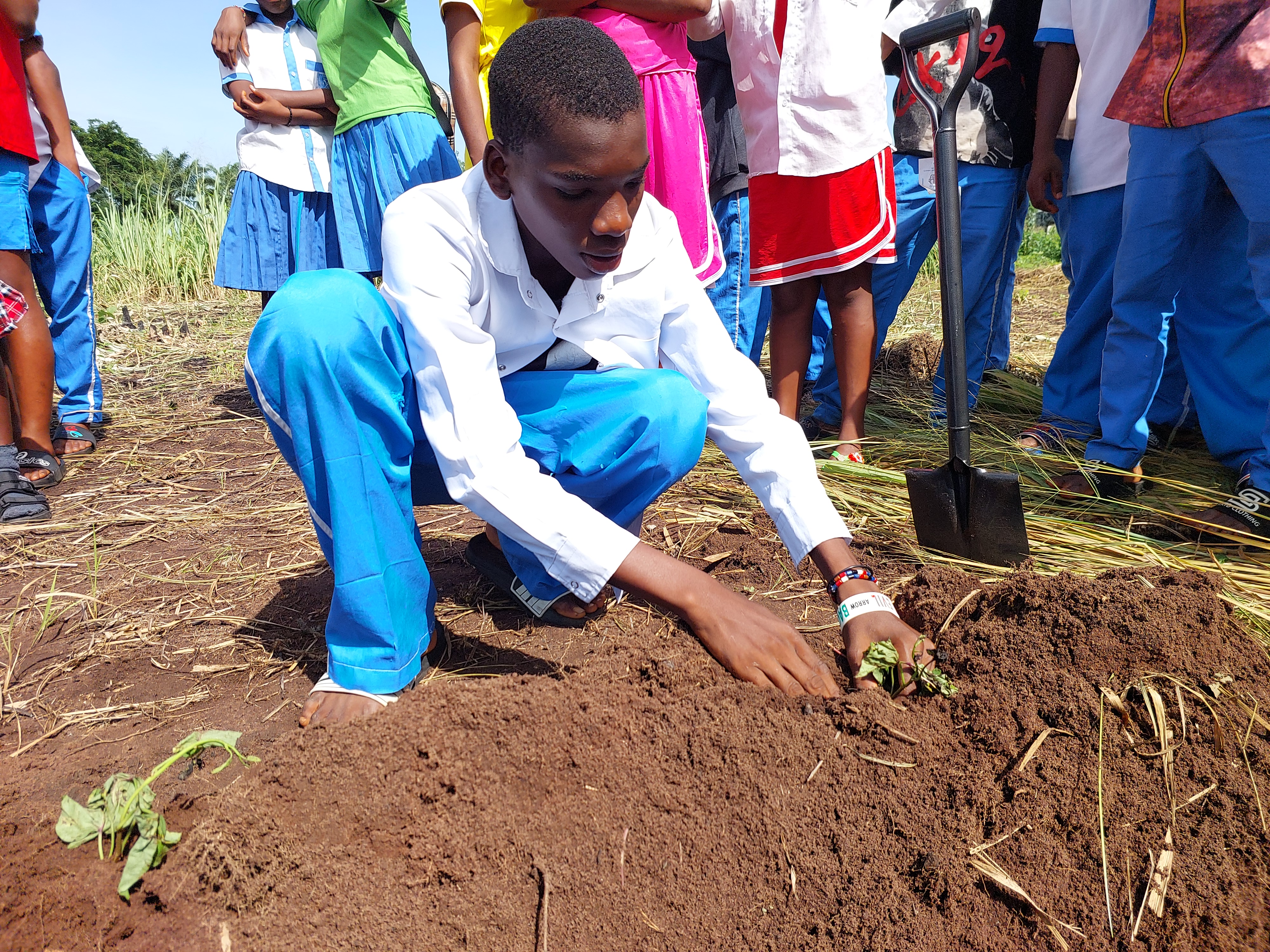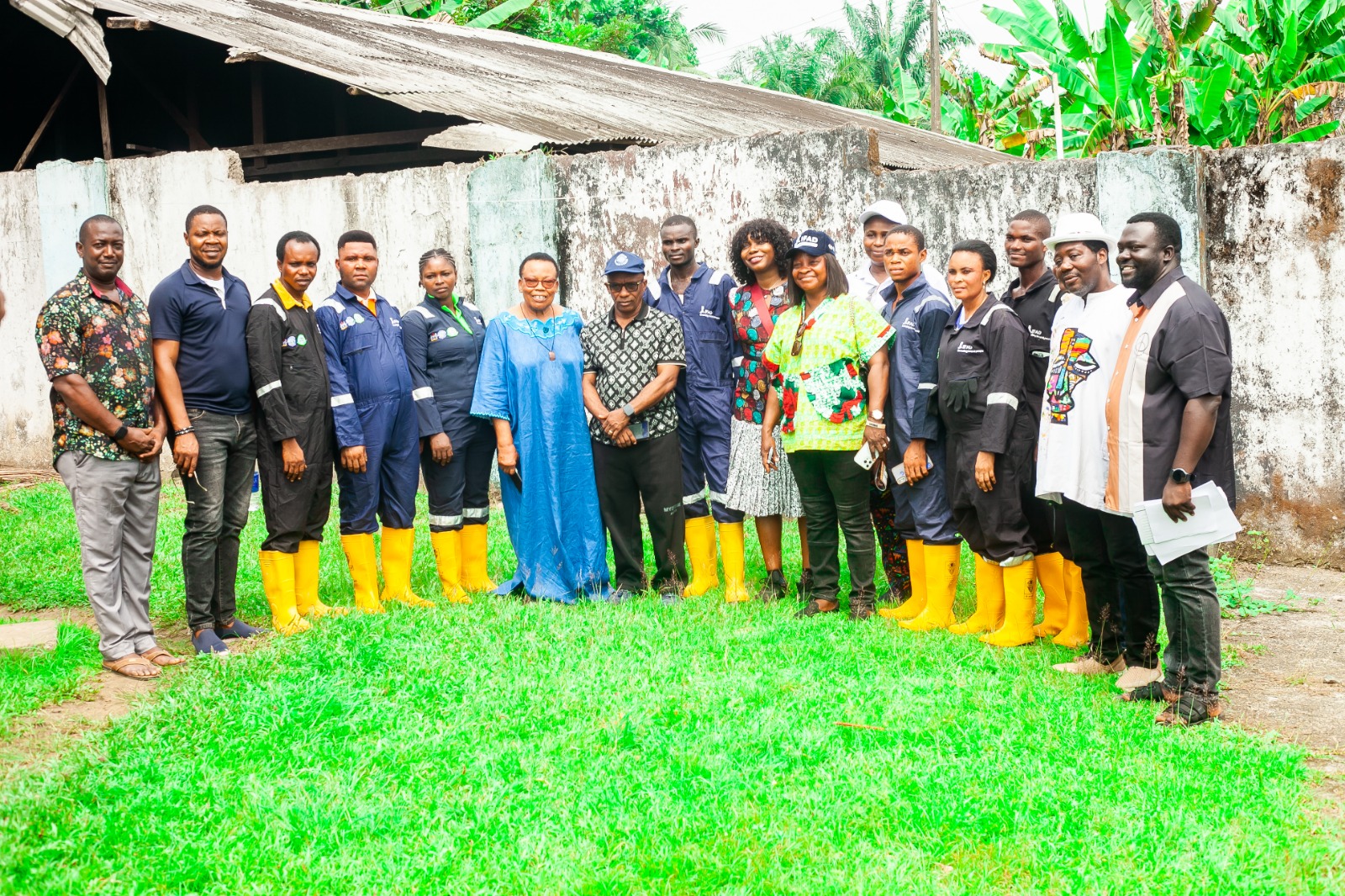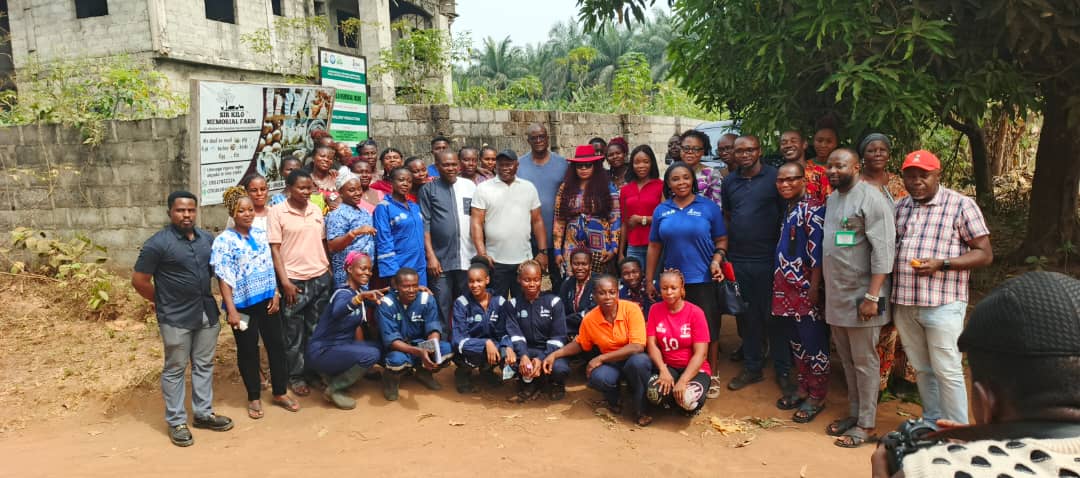
As part of its nutrition mainstreaming initiative, the IFAD-assisted LIFE-ND Project in Edo State established Young Farmers and Nutrition Clubs across selected primary and secondary schools in early 2025. This initiative was implemented to promote agricultural awareness, practical farming education, and improved nutrition among school-aged children in LIFE-ND participating communities.
In February 2025, the clubs were formed in six schools across Akoko Edo, Owan West, Ovia North-East, Etsako Central, Orhionmwon, and Egor LGAs. Each club comprised approximately 30 students and was supervised by agricultural science teachers and guidance officers. Activities included sensitization sessions on agriculture and nutrition, practical demonstrations on crop cultivation, and the promotion of home gardening among families. The participating schools are:
- Comprehensive High School, Ekpedo, Akoko Edo LGA.
- Uzeba Grammar School, Uzebba, Owan West LGA.
- Arazuwa Primary School, Uhen, Ovia North-East LGA.
- Oghomere Primary School, Etsako Central LGA.
- Igbanke Grammar School, Orhionmwon LGA.
- Eweka Secondary School, Egor LGA.
Building on this foundation, a third phase involving the distribution of agricultural inputs was carried out from May 28–30, 2025. The objective was to establish functional school gardens as platforms for hands-on learning and to enhance food and nutrition security within the school system. Inputs such as high-germination seeds (okra, maize, watermelon, cucumber, carrot), organic manure, pesticides, herbicides, and farming tools (hoes, machetes, watering cans, knapsack sprayers) were distributed to the six schools.
Feedback from the activity indicated strong student interest and prompt commencement of farming activities by some schools. Teachers acknowledged the program’s role in reinforcing classroom learning with practical experiences. Recommendations emphasized the need for continued monitoring, further training, enhanced community involvement, and the introduction of inter-school competitions to sustain engagement.
Overall, the initiative represents a critical step toward integrating agriculture into basic education, supporting IFAD’s goals of youth empowerment, nutrition-sensitive development, and community-based food security.