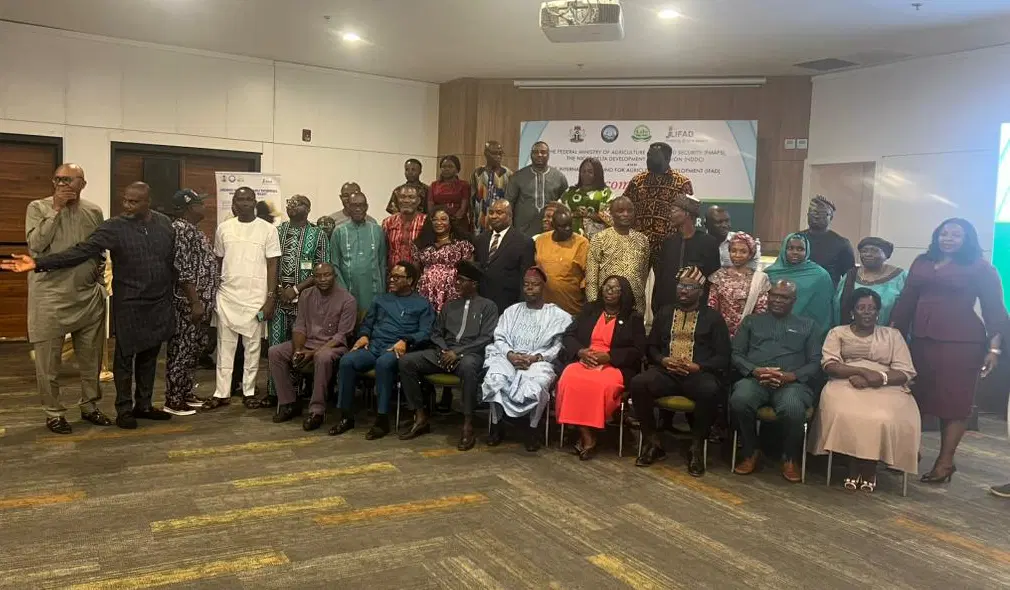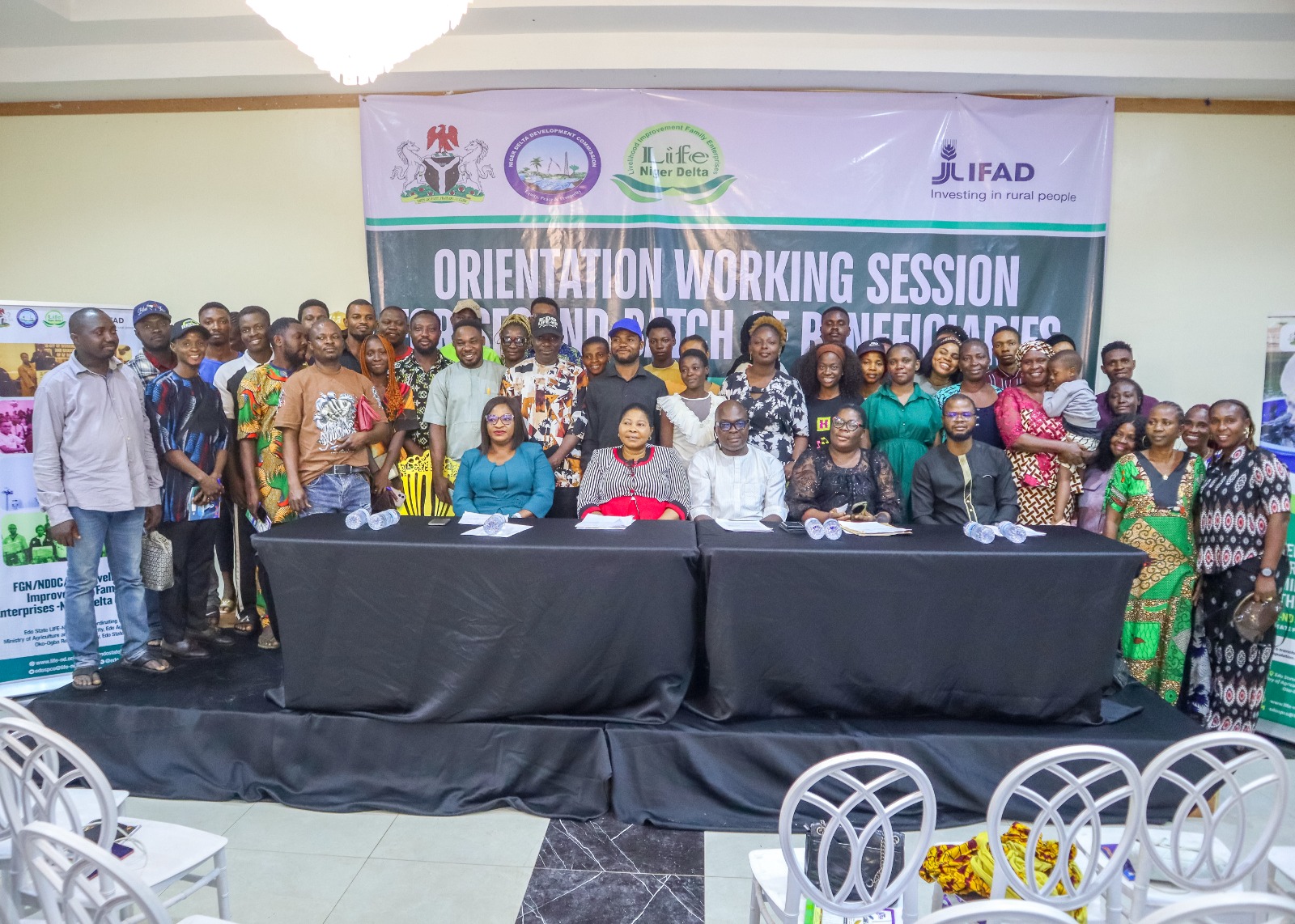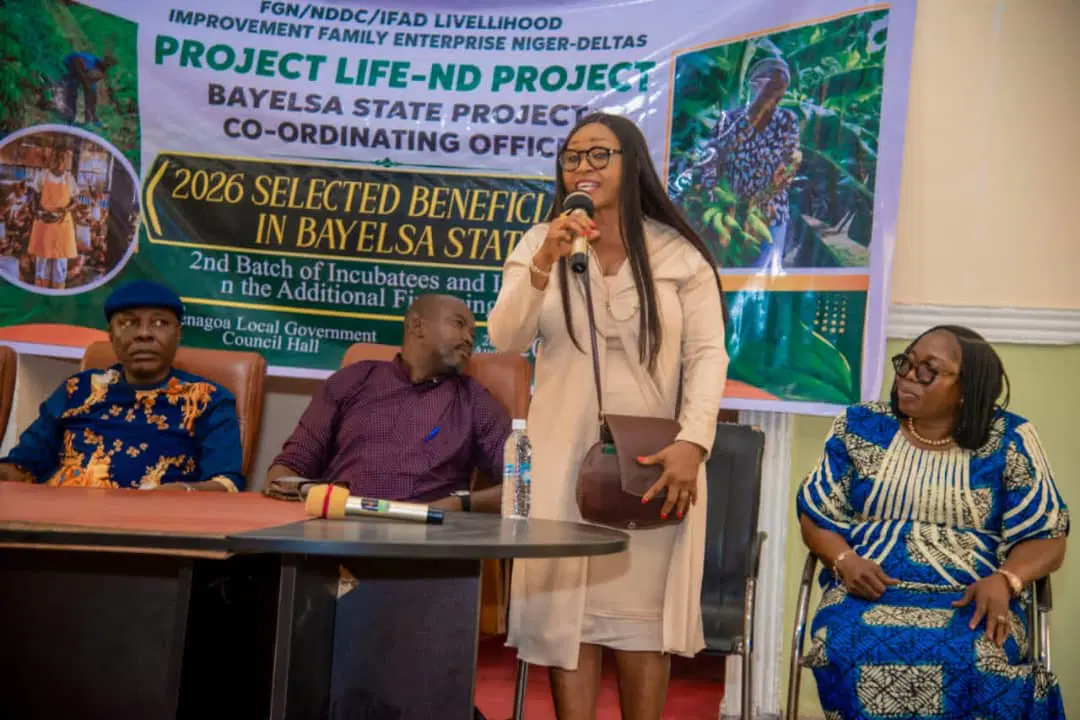
The Federal Government of Nigeria, the Niger Delta Development Commission (NDDC) and the International Fund for Agricultural Development (IFAD) on Tuesday commenced their 6th Joint Supervision Mission to evaluate the Livelihood Improvement and Family Enterprises Project in the Niger Delta (LIFE-ND).
The mission, scheduled to run from September 1 to 30, 2026, is being conducted under the overall leadership of IFAD Country Director and Representative in Nigeria, Mrs Dede Ekoue. The team includes Project Technical Lead and Global Technical Specialist (Livestock) Abdoulaye Gonde, Lead Consultant and Programme Management Expert Adeline Muheebwa, and specialists in gender, youth, financial management, procurement and ICT4D..
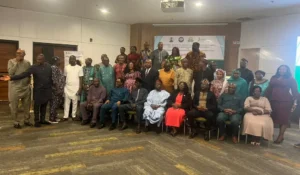
Key officials at the opening included the Director of the Federal Department of Development Partners Projects and Projects Coordination Unit, Federal Ministry of Agriculture and Food Security, Dr Emmanuel Oladipo Akogun; the Director of the International Economic Relations Department, Federal Ministry of Finance, Mr George Stanley; and the Director of Agriculture and Fisheries at the NDDC, Engr. Dr Albert Ehimhen Eigbe.
The mission will focus on resolving implementation bottlenecks, updating the Procurement Risk Matrix and Integrated Project Risk Matrix, and documenting lessons learned to guide the design of Phase Two. Expected deliverables include an official Aide-Memoire, a comprehensive Mission Report and updated logframe performance parameters.
Launched in February 2019 with an initial cost of USD 97.8 million, LIFE-ND aims to enhance income, food security and sustainable job creation for rural youth and women. The project has since secured an additional USD 32 million from IFAD and a three-year extension, bringing the total budget to USD 129.8 million.
In her opening address, IFAD Country Director Dede Ekoue highlighted the project’s impact.
“LIFE-ND was designed with a clear objective: to enhance income, food security and job creation for rural youth and women through sustainable agribusiness enterprise development,” she said. “Today, we can say that the Project has demonstrated that rural young people, when provided with the right skills, productive assets, finance, markets, technology and partnerships, can build viable enterprises and become important actors in Nigeria’s food system.”
She noted that in 2025 alone, LIFE-ND reached 16,539 beneficiary households, representing over 90 per cent of its annual target. The project has supported 966 incubators and created 23,751 new enterprises. By August 2026, it had reached 27,222 beneficiaries under the Additional Financing phase, comprising 10,094 regular incubatees and 17,128 Business Development Services beneficiaries. Cumulative production from supported enterprises has reached 130,744.21 metric tonnes, generating over ₦38.23 billion in gross income.
Ekoue outlined six priorities for the coming period: accelerating targets for 13,050 new incubatees and 51,775 BDS beneficiaries; improving the timely release of counterpart funds; expanding affordable finance, insurance and market linkages; strengthening rural institutions; improving financial systems and reporting; and scaling innovations in digital extension, climate information and nutrition-sensitive agriculture.
Speaking on behalf of the Federal Ministry of Agriculture and Food Security, Dr Emmanuel Akogun described LIFE-ND as a huge success, disclosing that 60,500 beneficiaries have been positively impacted across the nine Niger Delta states.
“Most youth, women and persons with disabilities are now proud entrepreneurs who are also employers of labour,” he said. He noted that the initiative had significantly reduced youth restiveness, adding that many young people who previously blocked the NDDC office entrance in Port Harcourt are now gainfully engaged through the project.
Eigbe reaffirmed the Commission’s commitment to agricultural interventions and described LIFE-ND as more than an agricultural programme. He said it was designed to create jobs, develop entrepreneurs, strengthen value chains and raise household incomes. He acknowledged challenges in reaching remote hinterlands, creeks and riverine communities and urged the mission team to approach the exercise with openness, professionalism and a commitment to results.
Project results show that 74 per cent of participating households achieved increased agricultural production, 74 per cent of rural enterprises generated higher profits, and 82.8 per cent of households adopted improved agricultural technologies. Over 18,000 beneficiaries now receive real-time weather updates, while a pilot AI-powered digital advisory system has reached 2,177 farmers. Nutrition interventions exceeded targets, with 86 per cent of participating women achieving minimum dietary diversity.
The joint supervision mission is expected to consolidate these gains and lay the groundwork for the next phase of LIFE-ND in the Niger Delta.
Photos
read more – Vanguard